
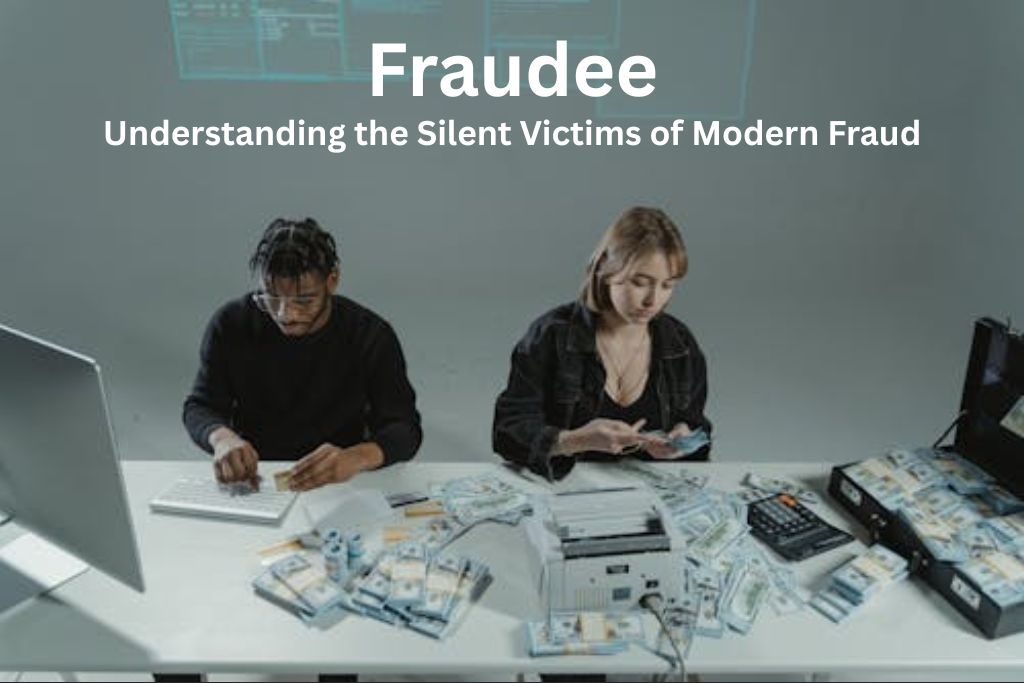
A single message, a quick phone call, or a seemingly harmless click can change everything. One moment, a person is managing their daily routine; the next, they find themselves navigating confusion, loss, and disbelief. This is the reality of a fraudee—an individual caught in the web of deception spun by modern fraudsters.
The word “fraudee” may not yet dominate headlines, but it represents a growing population of people affected by financial scams, identity theft, and digital manipulation. As fraud becomes more sophisticated, the role of the fraudee becomes more significant, demanding attention not just from law enforcement and financial institutions, but from society as a whole.
Defining the Fraudee: More Than Just a Victim
A fraudee is not simply someone who has lost money. The term encompasses anyone who has been targeted, deceived, or exploited through fraudulent means. This includes individuals who may have narrowly avoided a scam, those who have suffered financial loss, and even those whose personal information has been compromised without immediate consequences.
What sets the fraudee apart is the experience of being manipulated. Fraud is rarely about brute force; it is about persuasion, timing, and psychological influence. The fraudee is often drawn into a situation that feels legitimate, safe, or even beneficial—until it is too late.
Unlike traditional crime victims, a fraudee may struggle to explain what happened. The process is often subtle, gradual, and emotionally charged, making it difficult to pinpoint the exact moment when trust turned into deception.
The Expanding Landscape of Fraud
Fraud has evolved dramatically over the past decade. Once limited to physical schemes and face-to-face deception, it now thrives in digital environments where anonymity and scale work in favor of the fraudster.
The modern fraudee is most commonly targeted through online channels. Emails designed to mimic banks, messages impersonating friends or colleagues, and websites that replicate trusted platforms all contribute to a highly convincing ecosystem of fraud.
Financial technology has made transactions faster and more convenient, but it has also reduced the window for intervention. A fraudee can transfer funds within seconds, often without realizing the implications until the transaction is complete.
At the same time, fraud is no longer confined to a specific region or demographic. A fraudee in one country may be targeted by a fraudster operating from another, making enforcement and recovery increasingly complex.
How a Fraudee is Created: The Mechanics of Deception
The journey from an ordinary individual to a fraudee rarely happens by accident. It is the result of carefully designed strategies that exploit human behavior.
Fraudsters often begin by establishing credibility. This may involve impersonating a bank representative, a government official, or a trusted brand. The communication is crafted to appear authentic, complete with logos, official language, and professional tone.
Once trust is established, urgency is introduced. The fraudee is told that immediate action is required—perhaps to prevent account suspension, secure a financial opportunity, or respond to an emergency. This sense of urgency limits the time available for critical thinking.
Emotional triggers play a crucial role. Fear, excitement, curiosity, and empathy are all leveraged to influence decisions. A fraudee may act quickly not because they are careless, but because the situation feels real and pressing.
By the time doubts begin to surface, the damage is often already done.
The Psychological Experience of a Fraudee
Becoming a fraudee is not just a financial event; it is a deeply personal experience. The aftermath often includes a complex mix of emotions that can linger long after the incident.
Many fraudees experience shock in the immediate aftermath. The realization that they have been deceived can be difficult to process, especially if the fraud was sophisticated or prolonged.
This is often followed by self-doubt. Fraudees may question their own judgment, wondering how they could have fallen for the scam. This internal dialogue can lead to feelings of embarrassment and reluctance to share the experience with others.
Trust is another major casualty. A fraudee may become wary of digital platforms, financial institutions, and even personal relationships. This erosion of trust can have lasting effects on behavior and decision-making.
In some cases, the emotional impact outweighs the financial loss. The sense of violation and loss of control can be deeply unsettling, particularly for individuals who pride themselves on being cautious and informed.
Why Anyone Can Become a Fraudee
A common misconception is that only inexperienced or careless individuals become fraudees. In reality, fraud does not discriminate. Professionals, business owners, and even cybersecurity experts have found themselves in situations where they became fraudees.
The reason lies in the adaptability of fraud tactics. Fraudsters continuously refine their methods, using real-time data and advanced tools to increase their success rates. They study human behavior, monitor trends, and adjust their strategies accordingly.
Digital overload also contributes to vulnerability. With constant notifications, emails, and messages, individuals are often required to process large amounts of information quickly. This environment increases the likelihood of mistakes, creating opportunities for fraud.
Additionally, the blending of personal and professional communication channels makes it easier for fraudsters to infiltrate daily routines. A fraudee may receive a message that appears to come from a colleague, a service provider, or a financial institution, making it difficult to distinguish between legitimate and fraudulent communication.
The Financial Ripple Effect
The financial consequences of becoming a fraudee can be immediate and severe. Loss of savings is the most obvious outcome, but the impact often extends far beyond the initial transaction.
A fraudee may face unauthorized withdrawals, fraudulent loans, or misuse of personal information. In some cases, recovery is possible, but the process can be lengthy and uncertain.
Financial institutions play a critical role in this process, but their policies vary. Some offer protection and reimbursement under specific conditions, while others place greater responsibility on the account holder.
The economic impact also extends to communities and businesses. As the number of fraudees increases, so does the overall cost of fraud, leading to higher security expenses and stricter regulations.
The Legal Challenges Faced by a Fraudee
Navigating the legal landscape can be one of the most challenging aspects of being a fraudee. Reporting the incident is often the first step, but it does not guarantee resolution.
Jurisdictional issues can complicate matters, especially when fraudsters operate across borders. A fraudee may find themselves dealing with multiple agencies, each with its own procedures and limitations.
Evidence collection is another hurdle. Digital fraud often leaves behind limited or fragmented traces, making it difficult to build a strong case.
Despite these challenges, reporting remains essential. It not only increases the chances of recovery but also contributes to broader efforts to track and prevent fraud.
Technology: A Double-Edged Sword
Technology has transformed the way people interact, transact, and communicate. For the fraudee, it represents both a risk and a resource.
On one hand, advanced tools enable fraudsters to create highly convincing scams. Artificial intelligence can generate realistic messages, clone voices, and even produce deepfake videos. These innovations make it increasingly difficult for a fraudee to पहचान deception.
On the other hand, technology also offers solutions. Fraud detection systems, secure authentication methods, and real-time monitoring can help prevent unauthorized activity.
The challenge lies in balancing convenience with security. A fraudee often operates in an environment where speed and ease of use are prioritized, sometimes at the expense of thorough verification.
Building Awareness: The First Line of Defense
Preventing fraud begins with awareness. Understanding how fraud works and recognizing common tactics can significantly reduce the risk of becoming a fraudee.
Education plays a crucial role in this process. Schools, workplaces, and community organizations can all contribute to building digital literacy and promoting safe practices.
Media also has a responsibility to highlight the experiences of fraudees. By sharing real stories and insights, it becomes possible to normalize discussions around fraud and reduce the stigma associated with being a fraudee.
Open conversations encourage individuals to seek help, report incidents, and learn from each other’s experiences.
The Role of Institutions in Protecting the Fraudee
Banks, technology companies, and regulatory bodies all have a role to play in protecting the fraudee. This includes implementing robust security measures, providing clear guidance, and offering support in the event of fraud.
Customer service is particularly important. A fraudee often needs immediate assistance to minimize damage, and the quality of this response can make a significant difference.
Transparency is another key factor. Clear communication about risks, policies, and procedures helps individuals make informed decisions and take appropriate action.
Collaboration between institutions can further enhance protection. Sharing data, insights, and best practices enables a more coordinated response to fraud.
Moving Forward: Redefining the Narrative of the Fraudee
The concept of the fraudee challenges traditional narratives around fraud. It shifts the focus from blame to understanding, from judgment to support.
Recognizing the complexity of fraud allows for more effective solutions. It highlights the need for empathy, education, and collaboration in addressing a problem that continues to evolve.
As digital interactions become increasingly integral to daily life, the number of fraudees is likely to grow. This makes it essential to develop systems and strategies that prioritize protection without compromising accessibility.
Conclusion: Protecting the People Behind the Screens
Every fraud case tells a story, and at the center of that story is a fraudee—someone who trusted, acted, and ultimately faced the consequences of deception. These stories are not just about loss; they are about resilience, learning, and the ongoing effort to create safer environments.
Understanding the fraudee is a step toward a more informed and responsive approach to fraud. It encourages individuals to remain vigilant, institutions to remain accountable, and communities to remain supportive.
The fight against fraud is not only about stopping those who deceive. It is about safeguarding those who might otherwise become the next fraudee.