
Introduction
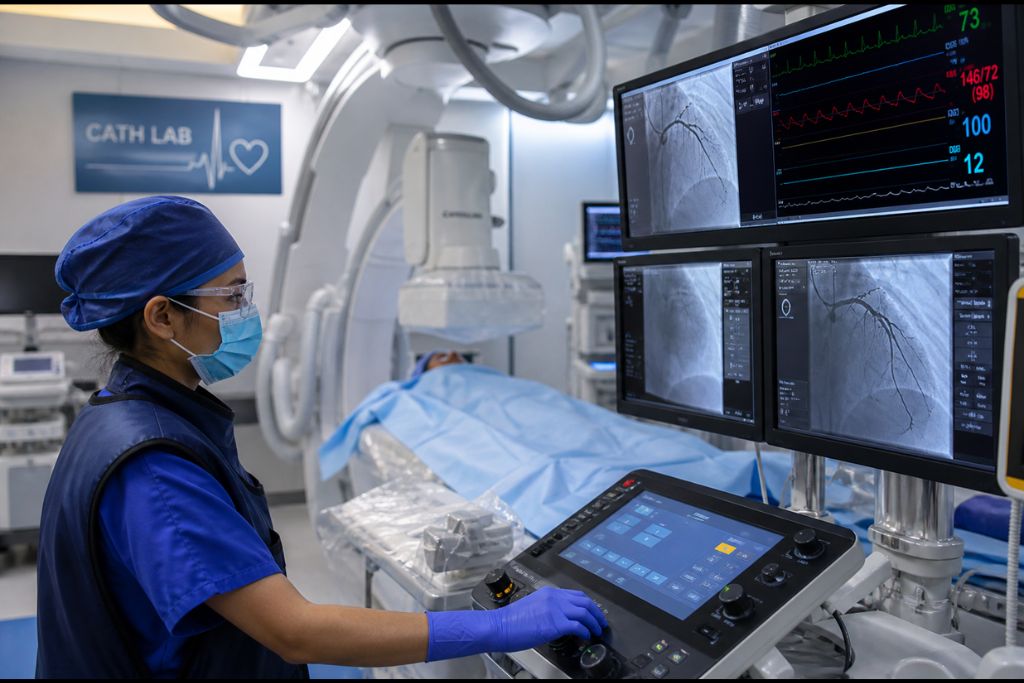
In the silent, sterile corridors of a hospital, where every second can define life or loss, there exists a room filled with advanced machines, glowing monitors, and quiet urgency—the cardiac catheterization laboratory, commonly known as the cath lab. At the center of this highly specialized environment stands a skilled professional whose precision and calmness often go unnoticed: the cath lab tech.
A cath lab technologist is not just a technician; they are a vital extension of the cardiology team. Their work supports life-saving procedures, assists in diagnosing complex heart conditions, and ensures that technology and human expertise merge seamlessly. In a world where heart disease remains one of the leading causes of death, the role of a cath lab tech has never been more essential.
What is a Cath Lab Tech?
A cath lab tech, or cardiac catheterization laboratory technologist, is a trained healthcare professional who assists physicians—primarily cardiologists—during minimally invasive heart procedures. These procedures involve inserting thin, flexible tubes called catheters into blood vessels, usually through the groin or wrist, to diagnose or treat cardiovascular conditions.
Unlike general medical technicians, cath lab techs operate in a high-stakes environment where technical knowledge, quick thinking, and teamwork are crucial. They are responsible for preparing both the patient and the equipment, ensuring that everything functions flawlessly when the procedure begins.
The Cath Lab Environment: Where Precision Meets Pressure
The cath lab is a place where technology and urgency coexist. Bright screens display real-time images of arteries, while machines hum quietly in the background. Every movement is deliberate, every instruction precise.
Cath lab techs must be comfortable working in this intense setting. Procedures can last several hours, and emergencies can arise without warning. The environment demands not only technical expertise but also emotional resilience. It is not uncommon for cath lab professionals to be called in during odd hours, responding to urgent cardiac cases where immediate intervention is required.
Despite the pressure, many technologists describe the cath lab as deeply rewarding—a place where their skills directly contribute to saving lives.
Core Responsibilities of a Cath Lab Tech
The daily responsibilities of a cath lab tech are both diverse and critical. Before a procedure begins, they prepare the patient by explaining the process, ensuring consent, and positioning them correctly. They also sterilize equipment and set up the necessary tools.
During the procedure, the technologist plays an active role. They assist the cardiologist by handing instruments, operating imaging equipment, and monitoring the patient’s vital signs. Their ability to interpret data in real time can help guide the physician’s decisions.
After the procedure, cath lab techs continue their work by documenting results, cleaning equipment, and ensuring the patient is stable. Their role, though often behind the scenes, is essential at every stage of the process.
Procedures Performed in the Cath Lab
Cath lab techs assist in a wide range of procedures, many of which are life-saving. One of the most common is angiography, where contrast dye is used to visualize blood vessels and detect blockages. Angioplasty, another frequent procedure, involves opening narrowed arteries using a balloon or stent.
They may also assist in inserting pacemakers, conducting electrophysiology studies to analyze heart rhythms, and performing other advanced interventions. Each procedure requires precision and coordination, making the technologist’s role indispensable.
These procedures are often minimally invasive, allowing patients to recover faster compared to traditional surgery. However, the complexity of these interventions means that the cath lab team must operate with absolute accuracy.
Educational Path and Training
Becoming a cath lab tech requires a blend of formal education and hands-on training. Most professionals begin with a high school diploma, ideally with a focus on science subjects such as biology and physics.
From there, aspiring technologists typically pursue an associate degree in cardiovascular technology, radiologic technology, or a related field. These programs provide foundational knowledge in anatomy, medical imaging, and patient care.
Clinical training is a crucial component of this journey. Students gain real-world experience by working in hospitals or specialized labs, learning how to handle equipment and interact with patients under supervision.
Continuous learning is also important in this field. As medical technology evolves, cath lab techs must stay updated with the latest advancements and techniques.
Certifications and Professional Growth
While certification is not always mandatory, it significantly enhances career opportunities. Credentials such as Registered Cardiovascular Invasive Specialist (RCIS) or certifications in interventional radiography demonstrate a high level of expertise.
In addition, life support certifications like Basic Life Support (BLS) and Advanced Cardiovascular Life Support (ACLS) are often required. These certifications ensure that technologists are prepared to respond effectively in emergency situations.
With experience and additional training, cath lab techs can advance into senior roles, specialize in specific procedures, or even move into management or teaching positions.
Salary and Financial Outlook
The financial rewards of a career as a cath lab tech are considerable. Salaries vary depending on location, experience, and certifications, but the profession is generally well-compensated.
Entry-level technologists can expect a stable income, while experienced professionals, especially those in specialized or travel roles, can earn significantly higher salaries. The demand for skilled cath lab techs continues to grow, further enhancing earning potential.
In addition to salary, many positions offer benefits such as healthcare coverage, retirement plans, and opportunities for overtime pay, especially for those who take on on-call duties.
Job Outlook and Demand
The demand for cath lab techs is on the rise, driven largely by the increasing prevalence of heart disease and an aging population. As medical technology advances, more procedures are being performed in cath labs, creating a steady need for skilled professionals.
Hospitals, cardiac centers, and outpatient facilities all require trained technologists. This widespread demand makes the profession relatively stable, with strong job security and opportunities for growth.
For those seeking a career that combines technical skill with meaningful impact, the cath lab offers a promising path.
Essential Skills for Success
Success as a cath lab tech requires a unique combination of skills. Technical knowledge is, of course, essential. Understanding cardiovascular anatomy, medical imaging, and equipment operation forms the foundation of the role.
Equally important are soft skills. Attention to detail can mean the difference between a successful procedure and a complication. Communication skills are vital for working effectively with the medical team and reassuring patients.
Physical stamina is also necessary. Long hours spent standing, often while wearing heavy protective gear, can be physically demanding. Mental resilience helps technologists stay focused under pressure, especially duringemergencies.
Challenges of the Profession
While the rewards are significant, the profession is not without its challenges. Cath lab techs often work in high-pressure situations where quick decisions are critical. The emotional toll of dealing with life-and-death scenarios can be intense.
Irregular hours and on-call duties can disrupt work-life balance. Additionally, exposure to radiation, though carefully controlled, requires strict adherence to safety protocols.
Despite these challenges, many technologists find the work deeply fulfilling. The ability to contribute directly to patient care and recovery provides a strong sense of purpose.
Career Benefits and Opportunities
One of the most appealing aspects of this career is its impact. Cath lab techs play a direct role in saving lives and improving patient outcomes. This sense of contribution is often cited as one of the most rewarding aspects of the job.
The field also offers opportunities for specialization. Technologists can focus on areas such as electrophysiology or interventional cardiology, further enhancing their expertise.
Travel opportunities are another advantage. Many experienced cath lab techs take on travel assignments, working in different locations while earning competitive salaries.
Conclusion
The role of a cath lab tech is both demanding and inspiring. It is a career that requires dedication, skill, and the ability to perform under pressure. Yet, it also offers the rare opportunity to make a tangible difference in people’s lives every single day.
In the ever-evolving landscape of modern medicine, cath lab technologists remain at the forefront of cardiac care. They are the quiet professionals behind the scenes, ensuring that every heartbeat has a fighting chance.
For those willing to embrace the challenges and commit to continuous learning, the cath lab is more than just a workplace—it is a calling.