
Introduction to Fanquer
Fanquer represents a modern digital expression that has started appearing across online spaces where creativity, branding, and audience interaction merge into a single evolving experience. It is not a traditional dictionary word with a fixed academic definition, yet its usage reflects how internet culture continuously produces new terms to describe changing behaviors in digital communities. Fanquer is often used to represent the idea of active participation, emotional connection, and identity building between creators and audiences in the digital ecosystem.
The significance of fanquer lies not in a single meaning but in its flexibility. It adapts depending on context, which makes it especially relevant in environments like social media, content creation platforms, and digital branding strategies. As online culture grows more interactive, words like fanquer begin to capture experiences that older vocabulary cannot fully express.
The Evolution of Fanquer in Digital Culture
Fanquer has emerged from the broader evolution of internet language, where communities create new expressions to describe shared experiences. The internet has always been a space where language evolves faster than formal recognition systems, and fanquer is an example of this phenomenon. It reflects how users and creators seek new ways to define engagement beyond passive consumption.
As digital platforms transitioned from static content to interactive ecosystems, audiences stopped being just viewers and became participants. Fanquer is often used to describe this shift in behavior, where fans are not only consuming content but also influencing, shaping, and co-creating the digital experience. This transformation is a key reason why such terms gain attention in online discussions.
Meaning and Interpretations of Fanquer
The meaning of fanquer is not rigid, which is one of its defining characteristics. In many contexts, it is associated with the idea of fan engagement, where audiences actively interact with content creators or communities. In other interpretations, fanquer represents a branding concept used to express identity, creativity, and emotional connection in digital environments.
Some interpretations also connect fanquer to the idea of personalization in online communities. It can describe how individuals express themselves through digital actions, whether through commenting, sharing, or contributing to discussions. In this sense, fanquer becomes a symbol of participation rather than just observation.
Because it is an emerging and flexible term, fanquer continues to evolve as different users and platforms apply it in unique ways. This adaptability is what allows it to remain relevant across various online contexts.
Fanquer and the Rise of Interactive Digital Communities
Modern internet culture is no longer based solely on content consumption. Instead, it is built on interaction, feedback, and shared creation. Fanquer fits into this shift by describing the active role of audiences in shaping digital spaces.
Online communities today function as living ecosystems where users influence each other constantly. Whether on social media platforms, gaming communities, or content-sharing networks, engagement is no longer one-sided. Fanquer captures this dynamic interaction where fans contribute to the identity and growth of digital creators and platforms.
This participatory culture has changed how influence works online. Instead of creators controlling all aspects of content, audiences now play a meaningful role in determining trends, popularity, and even direction. Fanquer symbolizes this shared power between creators and communities.
The Role of Fanquer in Digital Branding
Fanquer also has relevance in branding and marketing discussions. In a digital economy driven by attention and engagement, brands are constantly looking for ways to build stronger emotional connections with their audiences. Fanquer represents this connection between identity and interaction.
Brands that focus on fanquer-like engagement strategies often prioritize community building over traditional advertising. Instead of simply promoting products, they encourage participation, storytelling, and shared experiences. This approach leads to stronger loyalty and long-term engagement.
In this context, fanquer becomes more than a concept; it becomes a strategy for understanding how audiences connect with digital identities. It reflects the shift from transactional marketing to relational engagement, where emotional value is just as important as functional value.
Fanquer in Social Media Behavior
Social media platforms are one of the primary environments where fanquer-like behavior can be observed. Users on platforms such as Instagram, TikTok, YouTube, and X engage in continuous cycles of interaction that shape online culture.
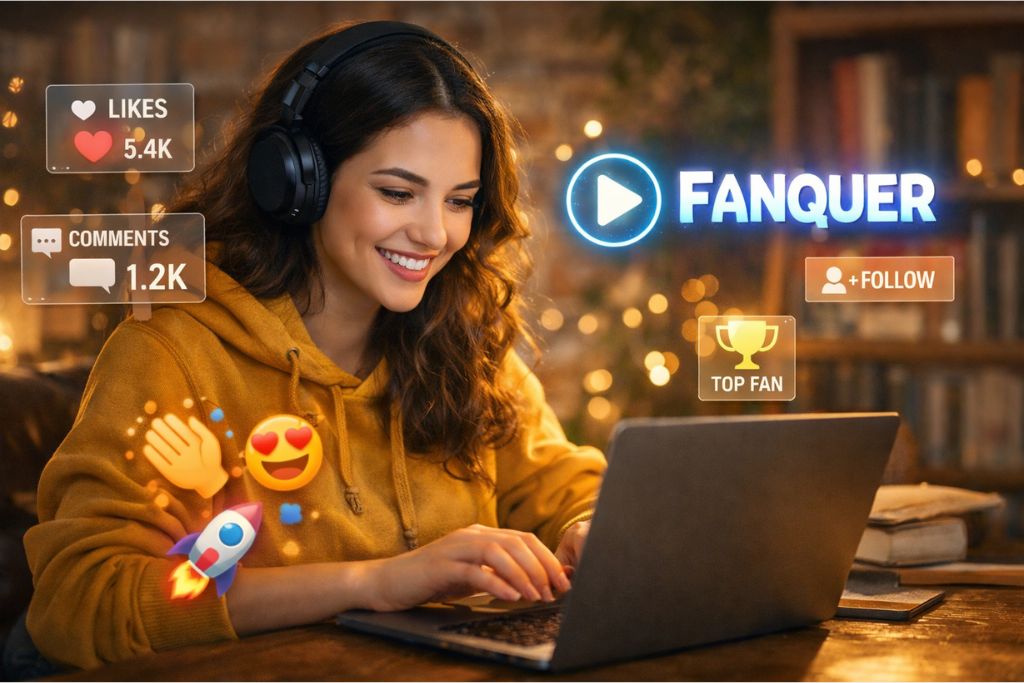
Fanquer in this space can be understood as the way users express support, identity, and participation through likes, comments, shares, and content creation. It represents the emotional and social energy that drives online engagement.
Creators rely heavily on this type of engagement to grow their presence. The more audiences feel connected, the more they participate. This cycle strengthens the visibility of content and builds digital communities that are sustained by interaction rather than passive viewing.
Psychological Aspect of Fanquer
Fanquer is not only a digital or cultural concept but also has psychological dimensions. Human behavior online is deeply influenced by the need for connection, recognition, and belonging. Fanquer reflects these motivations in digital environments.
When users engage with content or communities, they often seek emotional satisfaction and social validation. This creates a sense of identity within digital spaces. Fanquer captures this emotional layer of interaction, where participation becomes a form of self-expression.
This psychological aspect explains why online communities can become so powerful. People are not just interacting with content; they are building relationships, identities, and shared meanings within digital ecosystems.
Fanquer and the Future of Online Interaction
The future of digital communication is expected to become even more interactive, immersive, and personalized. As technology continues to evolve, concepts like fanquer will likely become more relevant in describing new forms of engagement.
Artificial intelligence, virtual reality, and augmented reality are already transforming how people interact online. In these environments, fanquer could represent deeper levels of participation where users are not only interacting with content but also influencing real-time digital experiences.
This evolution suggests that fanquer is part of a larger trend in digital language development. As technology changes, language adapts to describe new realities. Fanquer is one of those emerging expressions that reflects the ongoing transformation of online communication.
Fanquer as a Symbol of Digital Identity
Identity in the digital age is fluid and constantly evolving. People no longer express themselves only in physical spaces but also through online profiles, interactions, and digital communities. Fanquer symbolizes this layered identity construction.
Through fanquer-like engagement, users build a presence that is shaped by interaction rather than static representation. Every comment, share, and contribution becomes part of their digital identity. This creates a dynamic form of self-expression that continues to evolve with participation.
In this way, fanquer can be seen as a reflection of how identity is no longer fixed but continuously shaped by digital experiences.
Conclusion: The Meaning of Fanquer in a Connected World
Fanquer represents more than just a word; it reflects a shift in how people interact, communicate, and express themselves in the digital era. Its meaning is flexible, evolving, and deeply connected to the culture of online participation.
As digital environments continue to grow, fanquer will likely remain a useful concept for understanding engagement, identity, and community building. It captures the essence of a world where audiences are no longer passive observers but active contributors to the content they consume.
The importance of fanquer lies in its ability to describe this transformation in simple yet meaningful terms. It reflects the ongoing evolution of internet culture, where language, identity, and interaction blend into a constantly changing digital landscape.