
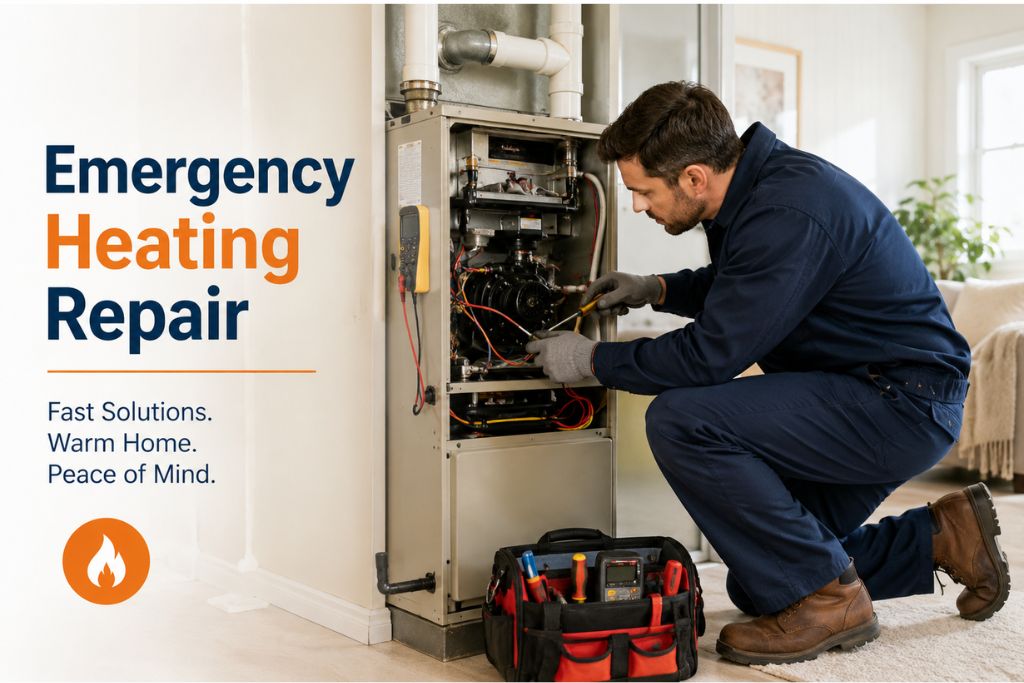
A heating system rarely fails at a convenient time. It often breaks down on the coldest night of the year, during a holiday, or just as temperatures begin to drop below freezing. When warm air suddenly stops flowing through your home, comfort quickly turns into concern. Beyond the inconvenience, a malfunctioning furnace, boiler, or heat pump can expose your family to freezing indoor temperatures, frozen pipes, poor air quality, or even dangerous situations involving gas leaks or carbon monoxide. That is why emergency heating repair is not simply another home maintenance service—it is an essential response that restores safety, comfort, and peace of mind.
Whether you rely on a gas furnace, electric heating system, boiler, or heat pump, understanding how emergency heating repair works can help you make informed decisions when every minute matters. Knowing the warning signs of a failing system, recognizing common causes of breakdowns, and understanding when to call a professional can reduce damage, save money, and keep your household protected during the coldest months of the year.
What Is Emergency Heating Repair?
Emergency heating repair is a specialized HVAC service designed to restore heat as quickly as possible when a heating system unexpectedly fails or develops a dangerous fault. Unlike routine maintenance appointments that are scheduled days or weeks in advance, emergency repair services are available around the clock, including evenings, weekends, and holidays.
An emergency heating repair technician responds to urgent situations where waiting until normal business hours could create health risks, safety hazards, or property damage. These professionals are trained to diagnose heating system failures efficiently, replace damaged components, and verify that the system operates safely before leaving the property.
Emergency repair services commonly cover gas furnaces, electric furnaces, boilers, heat pumps, ductless mini-split systems, radiant heating systems, and hybrid HVAC systems. Regardless of the equipment type, the goal remains the same: restore reliable heat while ensuring the system meets all safety standards.
Although not every heating problem qualifies as an emergency, situations involving complete heat loss during freezing weather, unusual burning smells, gas odors, carbon monoxide alarms, electrical failures, or smoke should always be treated as urgent.
Why Heating Emergencies Should Never Be Ignored
Many homeowners hope that a strange noise or temporary heating issue will resolve itself. Unfortunately, heating systems rarely repair themselves. Small mechanical problems often develop into major breakdowns when ignored, especially during periods of heavy winter use.
A complete loss of heating can quickly lower indoor temperatures to uncomfortable and potentially dangerous levels. Young children, older adults, and individuals with certain medical conditions are especially vulnerable to cold environments. In regions experiencing severe winter weather, extended heating failures can even result in frozen water pipes that burst and cause expensive water damage.
Safety concerns make emergency heating repair even more important. Gas furnaces may develop cracked heat exchangers, leaking gas valves, or combustion issues that increase the risk of carbon monoxide exposure. Electrical components can overheat or short circuit, creating fire hazards if left unaddressed.
Prompt professional repair not only restores warmth but also protects your family’s health, prevents additional equipment damage, and reduces the likelihood of costly secondary repairs.
Common Heating Systems That May Require Emergency Repairs
Modern homes use several different heating technologies, and each system has unique components that can fail unexpectedly. Understanding your home’s heating system helps explain why emergency repairs vary from one household to another.
Gas furnaces remain one of the most common residential heating systems because they provide fast, efficient warmth. However, they depend on burners, ignition systems, gas valves, flame sensors, and blowers that require proper operation to function safely.
Electric furnaces use heating elements instead of combustion. While they eliminate gas-related concerns, they still rely on electrical components, relays, contactors, and blower motors that may fail without warning.
Boilers distribute heat through hot water or steam rather than forced air. Pump failures, leaking pipes, pressure problems, and faulty valves can interrupt heating and require immediate attention.
Heat pumps provide both heating and cooling by transferring heat instead of generating it directly. During winter, frozen outdoor coils, refrigerant leaks, compressor issues, or reversing valve failures may reduce or completely eliminate heating performance.
Ductless mini-split systems and radiant floor heating systems are also increasingly common in modern homes. Although highly efficient, they contain electronic controls, sensors, and mechanical components that occasionally require emergency service when failures occur during cold weather.
Common Causes of Emergency Heating Repair
Heating systems consist of dozens of interconnected mechanical, electrical, and electronic components. A failure in just one part can prevent the entire system from operating correctly.
One of the most common causes of emergency service calls is a dirty air filter. When airflow becomes restricted, the furnace overheats and activates built-in safety switches that shut down the system. While replacing the filter is simple, prolonged operation with poor airflow may damage internal components.
Thermostat problems also account for many heating failures. Incorrect settings, weak batteries, damaged wiring, or faulty temperature sensors can prevent the heating system from receiving proper operating commands. Homeowners often assume the furnace has failed when the actual issue lies within the thermostat.
Ignition problems frequently affect gas furnaces. Modern systems use electronic igniters instead of standing pilot lights, and these components eventually wear out. Without successful ignition, the furnace cannot produce heat.
Flame sensors are another common source of trouble. These safety devices verify that burners are operating correctly. Over time, dust and oxidation accumulate on the sensor surface, causing the furnace to shut itself off as a protective measure.
Blower motor failures prevent warm air from circulating throughout the home. Even when the furnace generates heat successfully, a damaged blower motor can leave rooms cold because the heated air never reaches the living space.
Electrical failures represent another significant cause of emergency heating repair. Tripped breakers, blown fuses, damaged wiring, failed capacitors, defective control boards, and malfunctioning relays can interrupt system operation without warning.
Gas supply issues may also occur. A closed gas valve, interrupted fuel supply, or faulty gas valve assembly prevents the burners from operating safely. Because gas-related repairs involve combustion equipment, they should always be handled by qualified HVAC professionals.
Heat pumps experience unique winter challenges. Ice accumulation on outdoor coils, refrigerant leaks, compressor failures, or malfunctioning defrost cycles may leave homeowners without adequate heating during freezing temperatures.
Among the most serious heating problems is a cracked heat exchanger. This critical component separates combustion gases from the air circulating throughout the home. If it develops cracks, dangerous carbon monoxide may escape into living areas. Systems suspected of having heat exchanger damage should remain off until inspected by a certified technician.
Warning Signs Your Heating System Needs Immediate Attention
Heating systems often provide advance warning before suffering a complete breakdown. Recognizing these early symptoms allows homeowners to arrange repairs before a minor issue becomes a major emergency.
Unusual noises are among the first warning signs. Loud banging, grinding, squealing, rattling, or vibrating sounds may indicate loose components, failing motors, worn bearings, or ignition problems. Although some operational noise is normal, sudden changes should never be ignored.
Strange odors also deserve attention. A brief dusty smell when starting the furnace for the first time each season is generally harmless. However, persistent burning odors, electrical smells, or the unmistakable scent of natural gas require immediate investigation.
Uneven heating throughout the home often indicates airflow restrictions, ductwork problems, blower issues, or thermostat malfunctions. If certain rooms remain cold while others become excessively warm, the heating system may no longer distribute air efficiently.
Weak airflow from supply vents suggests blower motor problems, clogged filters, obstructed ductwork, or failing fan components. Reduced airflow forces the system to work harder while delivering less comfort.
Another common warning sign is cold air blowing from vents when the thermostat calls for heat. This symptom may result from ignition failure, overheating safety shutdowns, thermostat issues, or damaged heating elements depending on the equipment type.
Frequent cycling also deserves professional attention. A furnace that repeatedly turns on and off every few minutes wastes energy, increases wear on components, and often signals thermostat problems, restricted airflow, overheating, or improper system sizing.
Many homeowners first notice rising utility bills before recognizing mechanical problems. Declining efficiency forces heating equipment to consume more fuel or electricity while producing less heat. Unexpected increases in winter energy costs often indicate that maintenance or repairs are overdue.
Visual warning signs should never be overlooked. Rust, corrosion, water leaks around the unit, damaged vent pipes, soot accumulation, or yellow furnace flames instead of steady blue flames may indicate combustion problems requiring immediate professional inspection.
Perhaps the most serious warning sign is the activation of a carbon monoxide detector. Carbon monoxide is colorless, odorless, and potentially fatal. If an alarm sounds, everyone should leave the building immediately and contact emergency services before arranging emergency heating repair.
What to Do During a Heating Emergency
Experiencing a heating failure can be stressful, especially during freezing weather, but taking the right steps can protect both your family and your property. The first priority is to determine whether the issue presents an immediate safety risk. If you smell natural gas, notice smoke coming from the furnace, or your carbon monoxide detector sounds an alarm, turn off the heating system if it is safe to do so, evacuate the home immediately, and contact emergency services or your gas utility provider. Never attempt to investigate a suspected gas leak or carbon monoxide problem on your own.
If there are no immediate safety concerns, begin with a few basic checks. Verify that the thermostat is set to “Heat” and that the temperature setting is above the current room temperature. Replace thermostat batteries if necessary and inspect your home’s electrical panel for any tripped breakers. A clogged air filter can also cause the system to shut down, so replacing a dirty filter may restore normal operation in some cases.
Avoid repeatedly restarting the furnace or attempting complex repairs yourself. Modern heating systems include sophisticated electrical controls, gas components, and safety devices that require professional knowledge. Attempting DIY repairs may worsen the damage, void manufacturer warranties, or create serious safety hazards. Instead, contact a licensed HVAC technician who provides emergency heating repair services and describe the symptoms as accurately as possible.
What Happens During an Emergency Heating Repair Visit?
When an HVAC technician arrives, the repair process begins with a complete diagnostic evaluation rather than immediately replacing parts. Experienced technicians understand that many heating problems share similar symptoms, making accurate diagnosis essential for an effective repair.
The technician will inspect the thermostat, electrical connections, control board, ignition system, burners, blower motor, air filter, safety switches, gas pressure, and ventilation components. For heat pumps, refrigerant levels, outdoor coils, compressors, and reversing valves may also be examined. Boilers require inspection of pumps, pressure levels, expansion tanks, valves, and circulating systems.
Safety testing is an important part of every emergency repair visit. Professionals often test for carbon monoxide, verify proper combustion, inspect heat exchangers for cracks, and ensure all safety controls operate correctly before restarting the system.
Once the cause of the problem has been identified, the technician explains the issue, provides an estimate, and performs the necessary repairs. This may involve replacing worn components such as igniters, flame sensors, blower motors, capacitors, pressure switches, control boards, or thermostats. After completing the repair, the system undergoes additional testing to confirm reliable performance, proper airflow, and safe operation before service is considered complete.
How Much Does Emergency Heating Repair Cost?
The cost of emergency heating repair varies depending on several important factors. The complexity of the repair, the type of heating equipment, replacement parts, labor requirements, and the time the service is requested all influence the final price.
Emergency service calls performed during evenings, weekends, or holidays generally cost more than appointments scheduled during regular business hours because technicians are available around the clock. Minor repairs involving thermostat adjustments, flame sensor cleaning, or capacitor replacement are usually among the least expensive services. More significant repairs involving blower motors, gas valves, electronic control boards, or ignition systems require additional labor and replacement components, increasing the total cost.
In some situations, homeowners discover that repairing an aging heating system is no longer financially practical. If major components such as the heat exchanger fail, replacement may offer better long-term value than investing in costly repairs for an older unit.
Although emergency service can seem expensive, delaying necessary repairs often results in even greater expenses due to additional equipment damage, frozen plumbing, higher energy bills, or complete system replacement.
Should You Repair or Replace Your Heating System?
One of the most common questions homeowners face during a heating emergency is whether repairing the existing system is worthwhile. The answer depends on the equipment’s age, overall condition, repair history, and the estimated cost of restoring reliable operation.
Heating systems that are less than ten to fifteen years old and have been properly maintained can often be repaired successfully without significant concern. If the problem involves a single worn component and the remainder of the system remains in good condition, repairing the unit is usually the most economical decision.
However, older heating systems frequently experience repeated breakdowns as multiple components reach the end of their service lives. If repair costs continue to increase every winter or approach a significant percentage of the price of a new furnace, replacement often becomes the smarter financial investment.
Modern heating equipment offers improved energy efficiency, quieter operation, advanced safety features, and lower utility costs compared to many older systems. While installation requires a larger upfront investment, homeowners often recover part of the cost through reduced monthly energy bills and fewer repair expenses over time.
A qualified HVAC technician can evaluate the condition of your current system and recommend whether repair or replacement offers the greatest long-term value based on your home’s specific needs.
Preventing Future Heating Emergencies
While no mechanical system lasts forever, regular maintenance dramatically reduces the likelihood of unexpected heating failures. Preventive care allows technicians to identify worn components before they fail completely and helps maintain efficient operation throughout the heating season.
Scheduling annual professional maintenance before winter arrives is one of the most effective ways to avoid emergency repairs. During a maintenance visit, technicians clean burners, inspect electrical connections, test safety controls, examine the heat exchanger, lubricate moving components when applicable, and verify overall system performance.
Homeowners also play an important role in maintaining heating equipment. Replacing air filters regularly improves airflow and reduces strain on the blower motor. Keeping vents unobstructed allows warm air to circulate efficiently throughout the home. Monitoring unusual sounds, odors, or performance changes enables problems to be addressed before they become emergencies.
Installing and regularly testing carbon monoxide detectors provides an additional layer of protection for households using fuel-burning heating systems. These detectors offer early warning if dangerous combustion gases enter the living space.
Routine maintenance not only extends equipment lifespan but also improves indoor comfort, lowers utility costs, and provides confidence that the heating system will perform reliably during the coldest months of the year.
Frequently Asked Questions
What qualifies as an emergency heating repair?
A heating emergency typically includes complete heat loss during freezing temperatures, gas leaks, carbon monoxide alarms, smoke coming from the furnace, electrical burning smells, or any condition that threatens the safety of occupants or may cause significant property damage.
Can I repair my furnace myself?
Simple maintenance tasks such as replacing air filters or thermostat batteries are generally safe for homeowners. However, repairs involving gas lines, electrical systems, ignition components, or internal furnace parts should always be performed by licensed HVAC professionals.
Why is my furnace blowing cold air?
Cold air may result from thermostat issues, ignition failure, dirty flame sensors, overheating caused by restricted airflow, blower problems, or malfunctioning heating elements. Professional diagnosis is necessary to determine the exact cause.
How quickly should emergency heating repair be scheduled?
If your heating system stops working during cold weather or shows signs of a safety hazard, you should contact an emergency HVAC technician immediately. Prompt service minimizes health risks, prevents additional equipment damage, and restores indoor comfort as quickly as possible.
How can I reduce the chances of emergency breakdowns?
Annual professional maintenance, regular air filter replacement, prompt attention to unusual noises or odors, and timely repairs of minor issues significantly reduce the likelihood of unexpected heating failures.
Conclusion
A reliable heating system is one of the most important investments in your home’s comfort and safety, especially during the winter season. When unexpected failures occur, emergency heating repair provides the fast professional response needed to restore warmth while protecting your family from potential hazards. Understanding the warning signs of heating problems, responding quickly to emergencies, and relying on qualified HVAC technicians can prevent minor issues from becoming costly disasters.
Regular maintenance remains the best defense against unexpected breakdowns, helping your heating system operate efficiently year after year. Whether you own a gas furnace, boiler, electric furnace, or heat pump, proactive care combined with timely emergency repairs ensures dependable performance when you need it most. By staying informed and acting quickly when problems arise, homeowners can enjoy a warmer, safer, and more energy-efficient home throughout every winter season.